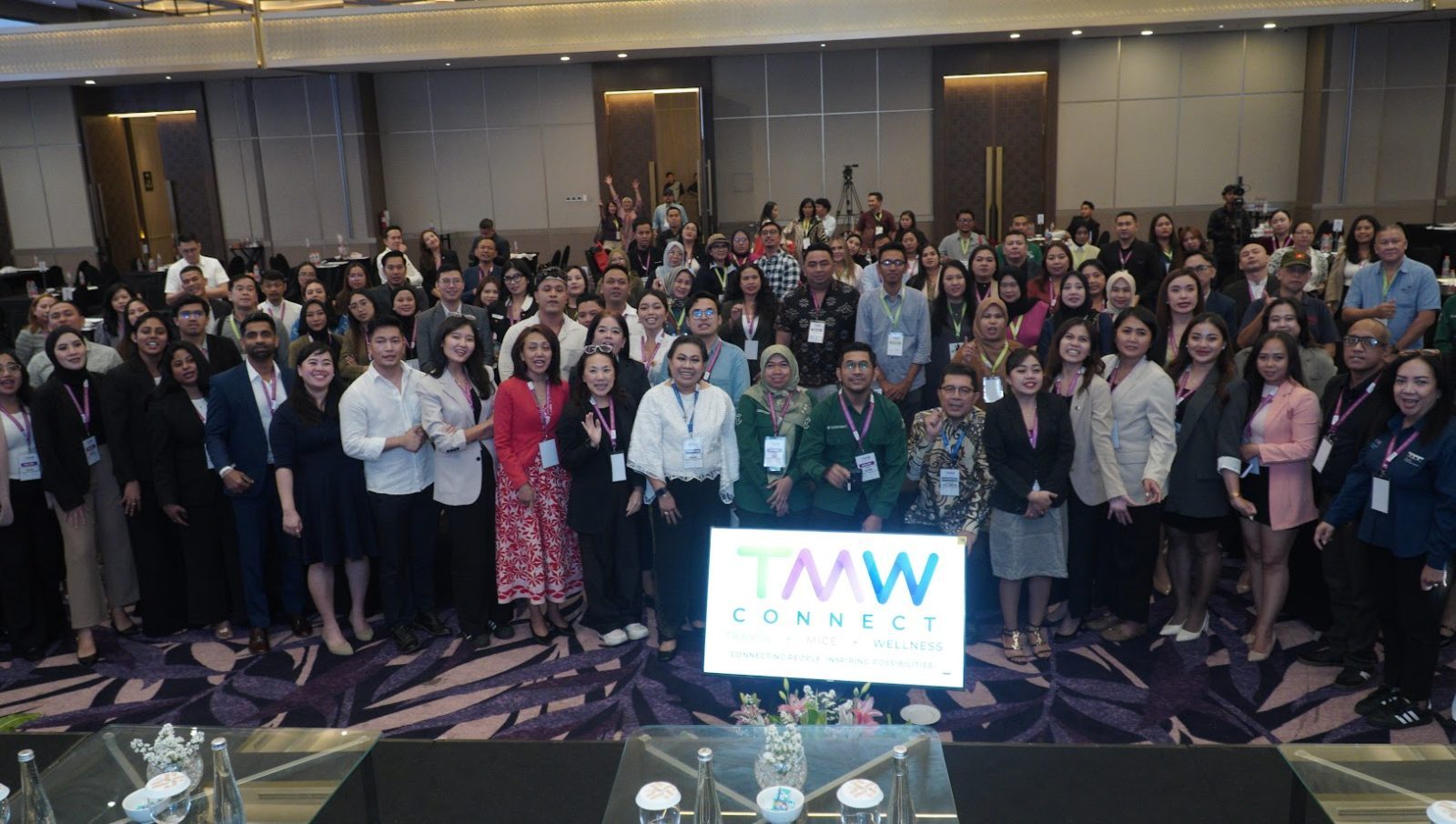
Hosted Buyers Programme at International Tourism Fairs: Standards, Selection Criteria and IMC Tourism’s Approach
Introduction
International tourism fairs have become essential platforms for developing business relationships, promoting destinations, establishing strategic partnerships, and generating new opportunities across the global travel industry.
One of the most important elements contributing to the success of these exhibitions is the Hosted Buyers Programme. This programme is designed to attract qualified tourism professionals and decision-makers who have genuine purchasing power and the ability to generate business for exhibitors and destinations.
However, the success of a hosted buyer programme should not be measured by the number of buyers attending an exhibition, but rather by the quality of those buyers, their purchasing potential, and the commercial opportunities they can generate.
For this reason, IMC Tourism believes that a structured and professional selection process is essential to ensuring that hosted buyer programmes deliver measurable business results.
1. What Is a Hosted Buyers Programme?
A Hosted Buyers Programme is a structured initiative organised by tourism exhibitions and trade fairs to invite selected international buyers to attend an event, often with financial or logistical support.
Depending on the exhibition, this support may include:
- Return international airfare, either fully or partially sponsored.
- Hotel accommodation during the exhibition.
- Airport transfers and local transportation.
- Access to VIP lounges and networking facilities.
- Pre-arranged B2B meetings with exhibitors.
- Invitations to official networking events and destination presentations.
- Familiarisation trips and destination experiences.
In return, hosted buyers are expected to demonstrate genuine business interest, attend scheduled meetings, and contribute to the commercial objectives of the exhibition.
2. Eligibility and Qualification Criteria
IMC Tourism recommends that hosted buyer programmes adopt clear eligibility criteria to ensure that sponsorship is allocated to professionals who can generate real business opportunities.
The following criteria should be considered:
1. Company Registration: The applicant must represent a legally registered travel, tourism, or related business.
2. Professional Position: Preference should be given to owners, CEOs, managing directors, general managers, purchasing directors, and senior decision-makers.
3. Business Activity: Applicants should be actively involved in tour operations, travel agencies, destination management, MICE, corporate travel, or tourism distribution.
4. Purchasing Authority: The applicant must have direct purchasing authority or a significant influence on supplier selection.
5. Business Volume: Applicants should demonstrate an established business portfolio and purchasing capacity.
6. Market Coverage: Priority should be given to buyers representing important source markets and destinations.
7. Business Potential: Applicants should demonstrate the potential to generate new contracts, partnerships, and tourism business.
8. Company Profile: A professional company profile, website, and relevant business information should be submitted.
9. Previous Experience: Previous participation in tourism exhibitions and successful business collaborations may be considered.
10. Commitment to Attendance: Buyers must commit to attending the exhibition throughout the required period.
3. Hosted Buyer Obligations
Financial sponsorship must be accompanied by clear obligations.
IMC Tourism recommends that each selected buyer formally agrees to:
- Attend all required exhibition days.
- Participate in a predetermined number of B2B meetings.
- Respect the agreed appointment schedule.
- Meet relevant exhibitors and tourism suppliers.
- Participate in designated networking activities.
- Provide feedback and an evaluation of the exhibition.
- Submit a post-event business report when requested.
- Respect the organiser’s cancellation and attendance policies.
Failure to comply with these obligations should be addressed according to the programme’s published terms and conditions.
4. How IMC Tourism Applies the Hosted Buyer Concept
IMC Tourism believes that the hosted buyer programme should be treated as a strategic business investment rather than simply a travel sponsorship arrangement.
With experience working across the private and public tourism sectors and access to a network covering 55 international destinations, IMC Tourism can adopt a targeted approach to identifying and qualifying potential buyers.
Our approach focuses on five main stages.
Stage One: Identifying the Right Buyers
IMC Tourism identifies potential buyers according to their business activities, geographical markets, professional responsibilities, and purchasing potential.
Our target segments include:
- International tour operators.
- Travel agencies and wholesale travel companies.
- Destination Management Companies (DMCs).
- MICE organisers and event management companies.
- Corporate travel managers.
- Incentive travel specialists.
- Online travel agencies and travel distributors.
- Companies specialising in group and leisure travel.
The objective is to attract buyers who have a genuine interest in the destinations and tourism products represented at the exhibition.
Stage Two: Screening and Qualification
Before recommending a buyer for hosted status, IMC Tourism applies a qualification process.
This includes reviewing:
- Company registration and operational status.
- Business profile and market reputation.
- Annual turnover or estimated purchasing volume, where available.
- Existing destinations and supplier partnerships.
- Relevant business experience.
- Decision-making authority.
- Potential for future commercial cooperation.
This screening process helps minimise applications from individuals who attend exhibitions primarily for sponsored travel rather than business development.
Stage Three: Matching Buyers with Exhibitors
One of the most important responsibilities of IMC Tourism is ensuring that hosted buyers are matched with exhibitors according to their commercial interests.
For example:
- A tour operator specialising in European outbound travel should be matched with destinations seeking European visitors.
- A MICE organiser should meet convention bureaux, hotels, airlines, and destination management companies.
- A corporate travel buyer should meet suppliers offering corporate accommodation, transportation, and travel management services.
- A specialist in incentive travel should meet destinations offering incentive programmes and distinctive tourism experiences.
This matching process increases the relevance of meetings and improves the probability of generating actual business.
Stage Four: Monitoring Performance and Delivering Results
IMC Tourism recommends that hosted buyer performance be measured through specific indicators rather than attendance figures alone.
The main indicators include:
|
Performance indicator |
Measurement |
|
Qualified buyers |
Number of approved buyers |
|
B2B meetings |
Meetings completed per buyer |
|
Meeting quality |
Relevance of business contacts |
|
Commercial opportunities |
Potential contracts and partnerships |
|
Business conversion |
Deals concluded after the exhibition |
|
Buyer satisfaction |
Feedback and evaluation |
|
Return on investment |
Business generated against programme cost |
A post-exhibition evaluation should identify the commercial value generated and highlight opportunities for future cooperation.
Stage Five: Follow-up and Business Development
The hosted buyer programme should not end when the exhibition closes.
IMC Tourism believes that follow-up is essential to converting business discussions into actual contracts.
This includes:
- Following up with buyers and exhibitors.
- Facilitating introductions between interested parties.
- Monitoring potential commercial agreements.
- Organising familiarisation trips.
- Developing destination promotion initiatives.
- Supporting long-term partnerships between tourism stakeholders.
This approach transforms a temporary exhibition visit into a sustainable business relationship.
5. IMC Tourism’s Proposed Hosted Buyer Selection Framework
To ensure transparency and consistency, IMC Tourism can adopt a scoring system for evaluating applications.
PROPOSED QUALIFICATION SCORE – 100 POINTS
|
Evaluation criteria |
Weight |
|
Purchasing authority and decision-making position |
20 |
|
Annual business volume and purchasing capacity |
20 |
|
Relevance of business activities |
15 |
|
Market coverage and geographical importance |
15 |
|
Potential for new business opportunities |
15 |
|
Previous tourism trade experience |
10 |
|
Commitment to B2B meetings |
5 |
|
Total |
100 |
Suggested qualification thresholds
80–100 points
Highly qualified
Priority consideration for hosted buyer sponsorship.
65–79 points
Qualified
Consideration subject to market priorities and available budget.
Below 65 points
Not recommended
May attend as a regular trade visitor without hosted buyer benefits.
These scores and thresholds are proposed IMC Tourism guidelines and can be adjusted according to each exhibition’s objectives.
6. The Importance of Quality over Quantity
One of the challenges facing international tourism exhibitions is the tendency to measure the success of hosted buyer programmes by the number of participants rather than the commercial value they generate.
IMC Tourism supports a different philosophy:
It is better to host 50 qualified buyers with real purchasing authority than 200 participants without clear business objectives.
A successful hosted buyer programme should generate measurable value for exhibitors, destinations, tourism authorities, and the buyers themselves.
The selection process must therefore remain professional, transparent, and commercially driven.
Conclusion: IMC Tourism’s Commitment
IMC Tourism considers the Hosted Buyers Programme an important instrument for strengthening international tourism cooperation and creating sustainable business opportunities.
Our philosophy is based on identifying the right buyers, qualifying their commercial potential, matching them with relevant exhibitors, and following up on business opportunities after the exhibition.
Through our international network, experience in the private and public tourism sectors, and coverage of 55 destinations worldwide, IMC Tourism aims to contribute to more effective and commercially successful tourism exhibitions.
Ultimately, the success of a hosted buyer programme should be determined not by how many people receive sponsored travel, but by how much real tourism business is generated.
A proposed IMC Tourism positioning statement:
IMC Tourism – Connecting Qualified Buyers with Global Tourism Opportunities.